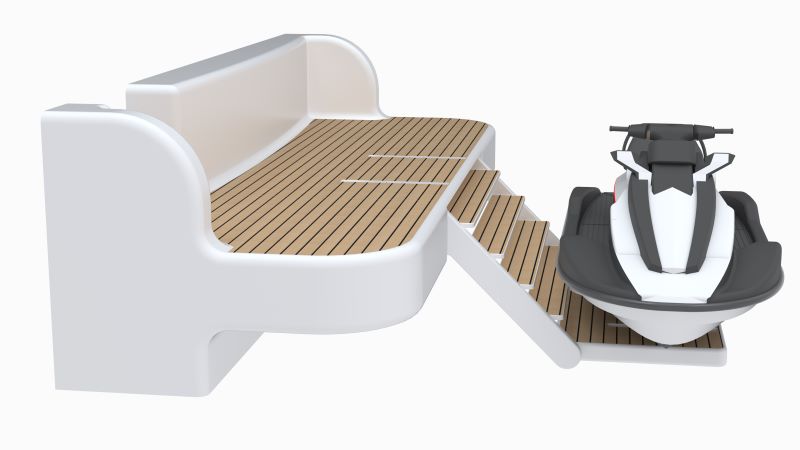
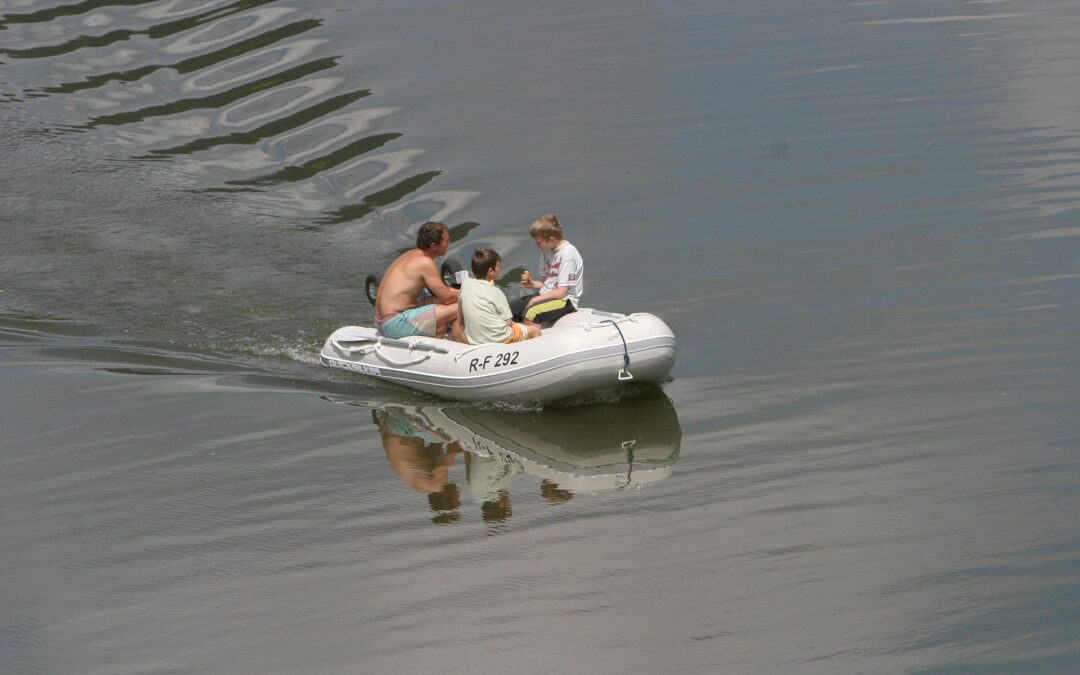
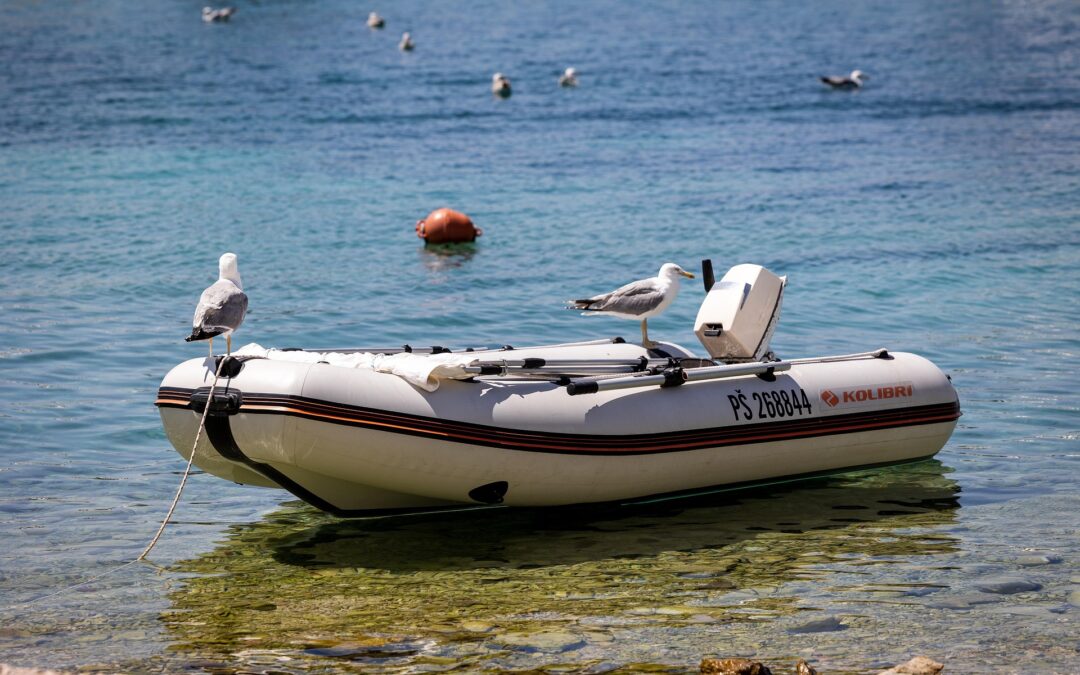
Hydraulic swim platforms have become a central element in modern yacht design, redefining how boats interact with the water. Originally developed as simple lifting mechanisms, these systems have evolved into multifunctional platforms used for boarding, launching watercraft and expanding usable deck space.
Today, they are no longer considered an optional feature but a key component in improving both onboard usability and overall vessel design.
Early Hydraulic Platform Systems
Early hydraulic platform systems were primarily designed for basic lifting tasks, such as lowering small tenders into the water. Their functionality was limited, and integration with the boat’s overall design was minimal.
These early solutions often focused more on mechanical capability than user experience, resulting in systems that were practical but not always efficient or space-conscious.
Shift Toward Multi-Function Platforms
As boat design evolved, so did expectations for onboard equipment. Hydraulic platforms began to serve multiple purposes beyond simple lifting, including acting as swim platforms, boarding areas and storage solutions for watercraft.
This shift reflects a broader trend in yacht design, where every component is expected to contribute to both functionality and space optimization.
Key Advantages in Modern Yacht Design
Modern hydraulic platforms offer several advantages that go beyond traditional lifting systems:
- Improved access to the water for boarding and swimming
- Increased usable deck space when deployed
- Safer handling of tenders and personal watercraft
- Seamless integration with contemporary boat layouts
- Enhanced overall onboard experience for owners and guests
Integration with Other Onboard Systems
Hydraulic platforms are often integrated with other onboard systems to create a more efficient and versatile stern layout. They can work alongside jet ski lifts, dinghy davits and modular deck configurations to support multiple functions within the same space.
This level of integration allows boat owners to maximize functionality without compromising design or usability.

How Hydraulic Platforms Improve Water Access
One of the most significant benefits of hydraulic platforms is the way they improve access to the water. By lowering to water level, they create a stable and controlled entry point for swimming, boarding or launching equipment.
This reduces physical strain, improves safety and makes the overall experience more accessible for a wider range of users.
Future Trends in Platform Technology
The next generation of hydraulic platforms is expected to focus on smarter control systems, lighter materials and increased adaptability. As boats continue to evolve, these platforms will likely become even more integrated with onboard automation and multifunctional design concepts.
The goal is not only to improve performance but to create solutions that are easier to use, maintain and adapt to different types of vessels.
CONCLUSION
Hydraulic swim platforms have evolved from simple lifting mechanisms into essential components of modern yacht design. Their ability to improve access, enhance functionality and integrate with other onboard systems makes them a key feature in today’s boating experience.
As technology continues to develop, these platforms will play an even greater role in shaping how boats are designed and used.