Overview Choosing the right marine lift for your boat depends on several factors including weight capacity, available space, boat size, and intended use. A properly selected lift system improves safety, simplifies handling, and enhances overall boating experience by...
Hydraulic Platforms for Boats
Hydraulic platforms enhance onboard functionality by enabling controlled lifting, lowering and positioning at the stern. Used for water access, launching tenders and improving onboard space, these systems are designed for yachts and leisure boats where usability, safety and flexibility are essential.
Showing all 10 resultsSorted by price: high to low
10 Items | View Allprice
-
Sale!

Integrated Hydraulic Platform
Original price was: 25000,00 $.24500,00 $Current price is: 24500,00 $. -
Sale!

Hi-low platform for outboard
Original price was: 14700,00 $.14600,00 $Current price is: 14600,00 $. -

Shaft cylinder piston
31,00 $Part Number: 3208View Product -

Complete platform
Part Number: 1117View Product -

Platform left (large pipes)
1358,00 $Part Number: 1118View Product -

Fastening bracket Platform
25,00 $Part Number: 3417View Product -

Nylon Spacer Platform
46,00 $Part Number: 3415View Product -

Platform Right (smaller pipes)
1358,00 $Part Number: 1119View Product -

Bolt K6S M10X50 A4
2,00 $Part Number: 2077View Product -

Bolt K6S M10X45 A4
2,00 $Part Number: 2076View Product

Mikael Johansson
Founder & Lead Engineer – Marine Lifting Systems
Mikael Johansson is the Founder and Lead Engineer at Presto Marine, specializing in hydraulic lifting systems for boats. He has led the development of platform solutions designed for lifting, launching and improving onboard accessibility.
His work focuses on smooth operation, structural reliability and integration with modern yacht designs and stern configurations.
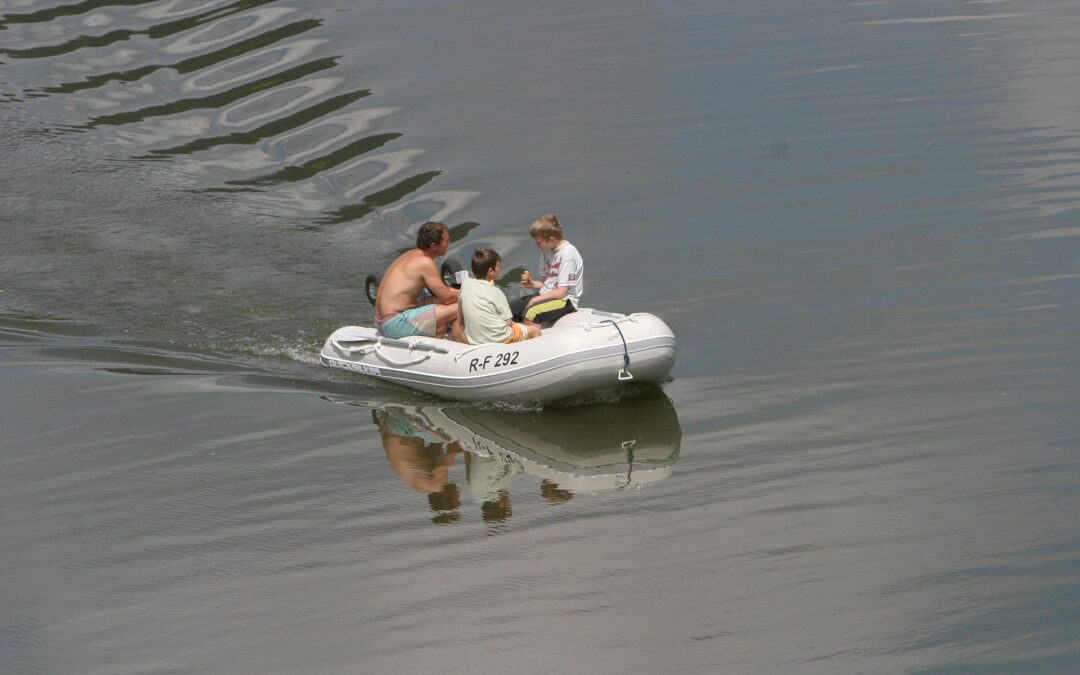
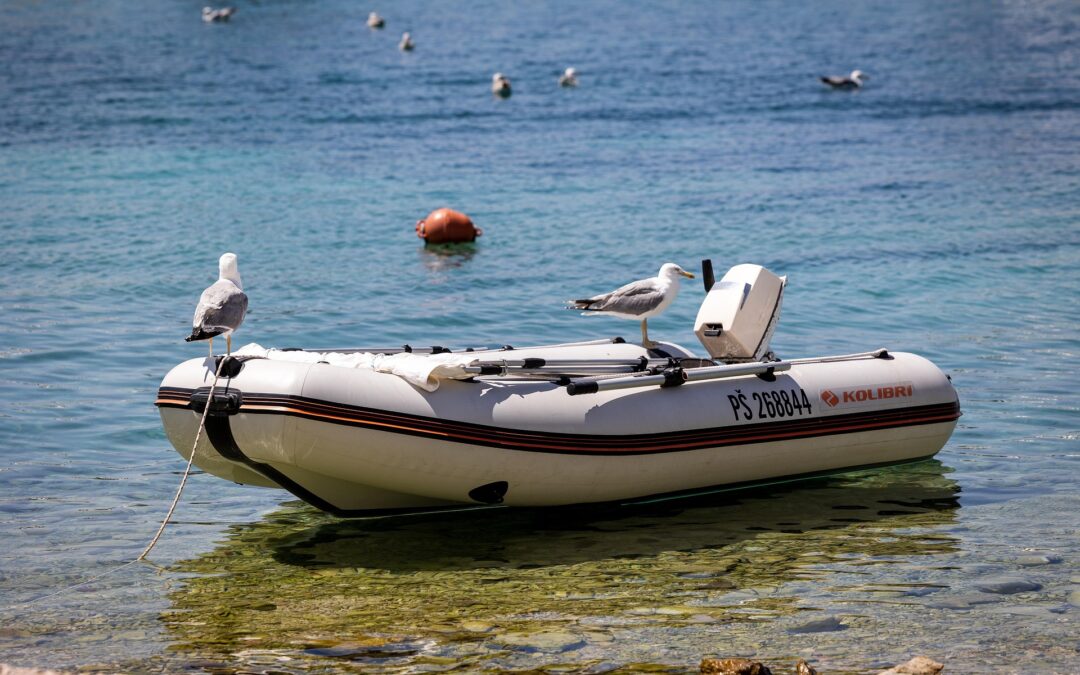
Inflatable Dinghies & RIBs
Our dinghy davit systems lift inflatable tenders and rigid inflatable boats (RIBs) weighing up to 500 kg.
- RIBs from 2.5 m to 4.5 m with outboard motors attached
- Soft-bottom inflatable dinghies and roll-up tenders
- Aluminum-hull tenders commonly used in North America and Australia
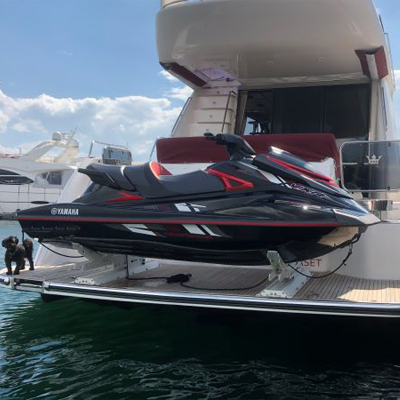
Personal Watercraft (Jet Skis & PWCs)
PrestoMarine® davits double as jet ski lifts for personal watercraft up to 500 kg.
- Sea-Doo Spark and lightweight PWC models (L300 series)
- Full-size jet skis including Sea-Doo, Yamaha WaveRunner and Kawasaki
- Three-seater PWCs with the XL500 heavy-duty system
Small Craft & Utility Boats
Versatile davit mounting handles more than just tenders and jet skis.
- Kayaks, paddleboards and small sailing dinghies
- Fishing skiffs and aluminum utility boats
- Dive platforms and water-sport equipment storage
Compatible Boat Types
PrestoMarine® dinghy davits install on a wide range of vessels from 25 to 80+ feet.
- Sailboats and catamarans with transom or swim platforms
- Motor yachts, trawlers and flybridge cruisers
- Sportfishers, center consoles and expedition vessels
Installation & Buying Guides
Learn how to choose, install and maintain your dinghy davit system. Our help center covers sizing guides, mounting options and step-by-step installation instructions.
Hydraulic System Installation and Bleeding Guide for Marine Lift Systems
Overview Proper installation and bleeding of a hydraulic system are critical to ensure safe operation, smooth performance, and long-term reliability of marine lift systems. Incorrect handling during setup can lead to air in the system, reduced efficiency, or potential...
Tender Lift Maintenance Guide for Marine Lift Systems
Overview Proper maintenance of your tender lift system is essential to ensure long-term reliability, safe operation, and optimal performance. Marine environments expose lift systems to saltwater, dirt, and mechanical wear, making regular maintenance a critical part of...
See Our Lifts in Action
Watch how PrestoMarine® dinghy davits launch and retrieve a tender in under 60 seconds — operated by one person from the swim platform.


FAQ for hydraulic platforms
What is a hydraulic platform used for on a boat?
A hydraulic platform is used to lift, lower or position equipment and people at the stern of a boat. It is commonly used for launching tenders or jet skis, providing water access and improving usability of the swim platform area in daily operation.
Can a hydraulic platform be used for both swimming and lifting equipment?
Yes, hydraulic platforms are designed for multi-purpose use. They can function as a swim platform for safe water access and also handle lifting operations for tenders or other equipment, depending on capacity and configuration.
How do I choose the right hydraulic platform for my boat?
Selection depends on boat layout, available installation space and intended use. Load requirements, platform size and integration with existing systems should be considered to ensure safe and reliable operation in everyday conditions.
Are hydraulic platforms suitable for all boat types?
Hydraulic platforms are most commonly used on yachts and larger leisure boats where structural support and space allow proper installation. Compatibility depends on the transom design, available mounting area and overall boat configuration.
How much weight can a hydraulic platform handle?
The capacity varies depending on the system design and configuration. It is important to consider the total operational load, including equipment, fuel and accessories, and select a platform with an appropriate safety margin.
Do hydraulic platforms require maintenance?
Yes, regular maintenance is important to ensure long-term performance. This includes inspection of hydraulic components, cleaning after saltwater exposure and checking moving parts to maintain safe and reliable operation.
Ready to Order Your New Lift?
Configure and Price your lift today and start loving boating again.