Overview
Choosing the right marine lift for your boat depends on several factors including weight capacity, available space, boat size, and intended use. A properly selected lift system improves safety, simplifies handling, and enhances overall boating experience by allowing easy launch and retrieval of tenders or personal watercraft.
Why Use a Marine Lift System
Handling a tender or personal watercraft manually can be time-consuming and physically demanding. A marine lift system allows you to:
- Launch and retrieve your watercraft quickly
- Operate the system without assistance
- Improve onboard safety and convenience
Modern lift systems allow operation in less than a few minutes using a wireless remote control.


Understanding Lift Capacity
One of the most important factors is choosing the correct lifting capacity.
Key Guidelines
- Typical systems lift up to 500 kg (1100 lbs) depending on the model
- Always calculate total weight including:
- Watercraft
- Engine
- Fuel
- Equipment
Safety Margin
It is recommended to add at least 20% extra capacity to the total calculated weight to ensure safe operation.
Choosing Between Lift Models
Different lift models are designed for different needs:
Lighter Applications
- Suitable for smaller tenders and inflatables
- Example: systems up to 200 kg (440 lbs)
Heavy-Duty Applications
- Suitable for larger tenders or jet skis
- Example: systems up to 500 kg (1100 lbs)
Choosing the correct model ensures efficient operation and long-term durability.

Fixed vs Rail Systems
One of the most important decisions is choosing between fixed brackets (F) and rail systems (R).
Fixed Systems (F Series)
Recommended when:
- Swim platform depth is less than 900 mm (35 in)
- Simpler installation is preferred
Rail Systems (R Series)
Recommended when:
- Swim platform depth is 900 mm (35 in) or more
- You want improved positioning and flexibility

Benefits of Rail Systems
Rail systems allow you to:
- Move the tender closer to the transom
- Reduce overhang at the stern
- Improve boat balance and performance
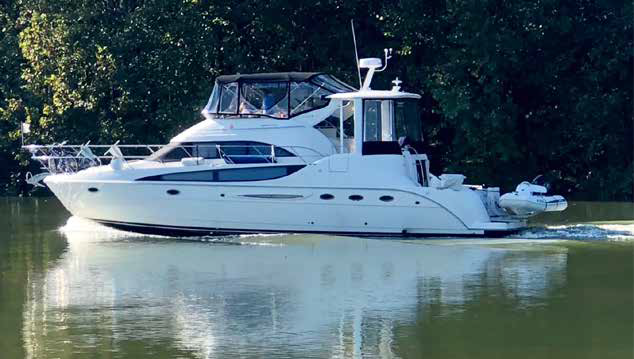
This is especially beneficial for boats under 12.5 m (42 ft).
Space and Installation Requirements
Before choosing a lift system, verify:
- Minimum swim platform depth: 500 mm (20 in)
- Available installation space
- Structural strength of the platform
Proper fitment ensures safe installation and efficient operation.
Flexibility and Compatibility
Modern lift systems are designed to handle different types of watercraft.
Key Features
- Self-adjusting keel supports adapt to hull shape
- Adjustable positioning for different sizes
- Compatible with both inflatables and PWCs
This flexibility allows you to use the same system for multiple watercraft types.
Impact on Boat Performance
Adding weight to the stern affects handling and performance.
Important Considerations
- Total added weight includes lift + watercraft
- Example:
- Smaller lifts: approx. 70–90 kg (154–198 lbs)
- Larger lifts: approx. 90–110 kg (198–242 lbs)
Proper positioning (especially with rail systems) helps minimize performance impact.

Installation Considerations
Installation depends on your boat’s construction:
- Some installations can be done without hauling the boat
- Access to the transom interior is often required
- Reinforcement may be needed in some cases
It is recommended to consult a marine professional before installation.
Maintenance and Operating Costs
Marine lift systems are designed for low maintenance:
- Mechanical components are positioned above water
- Reduced exposure to marine growth
- Minimal servicing requirements
This results in lower long-term maintenance costs.
Conclusion
Choosing the right marine lift requires evaluating capacity, space, installation conditions, and intended use. By selecting the correct system and configuration, you ensure safe operation, improved usability, and long-term performance for your boat and onboard watercraft.